

A glass of wine, a shot of liquor or a beer – these can all be triggers to start you down the path of drinking again. One is not safer than another to help maintain your sobriety. Any drink drinking again after sobriety could reignite the compulsion to drink and restart old damaging habits.
- The very things you should be doing to feel better require a level of motivation you might not be able to fathom.
- But I PROMISE you, if you keep moving forward, things in your brain will start to click.
- These treatment options can help you overcome and prevent alcohol relapse with professional support.
- A formal recovery plan gives you strategies for dealing with people or situations that could trigger relapses.
- Whether your sobriety has you wallowing in boredom or self-pity, please know that it will get better.
- Alcoholics Anonymous has useful information and offers support groups to anyone facing substance abuse.
Warning signs you might be headed for a relapse
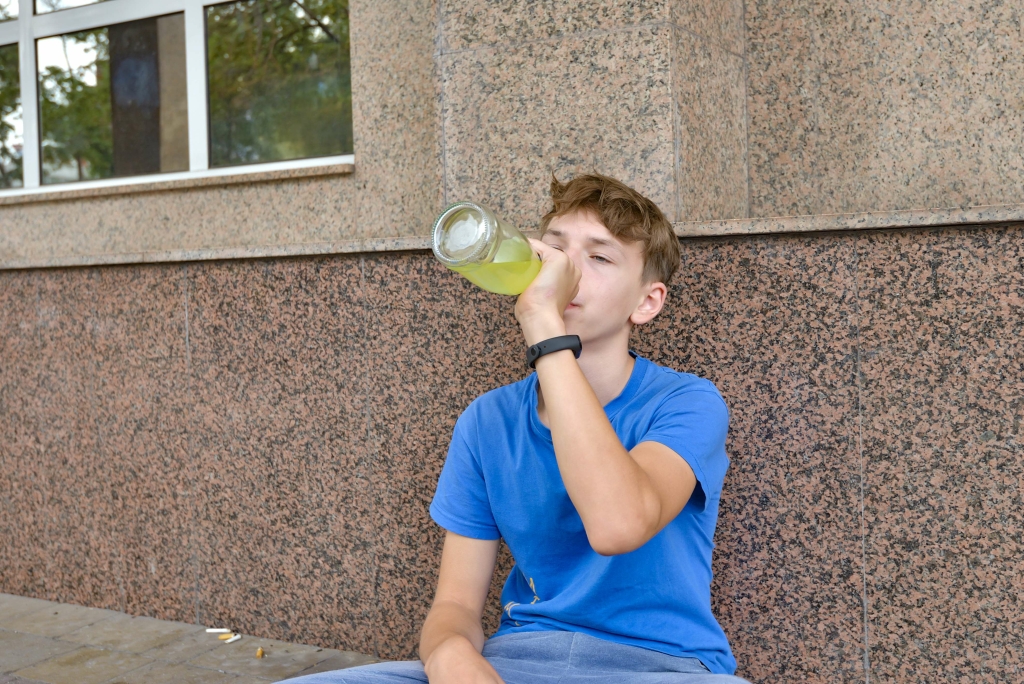
Anyone who may be wondering if their alcohol consumption is excessive or is concerned about not having control over their drinking habit should first seek professional help. Some people have a very specific idea of what relapse looks like. They may be under the misguided impression that until they’ve reached the same level of dependence as before (or worse), they haven’t really relapsed.
- It can help you identify your unhealthy behavioral patterns and thought processes and deal with them.
- If you need help or feel like you could be on the cusp of a relapse, remember that addiction is a chronic disease.
- But this does not make you an embarrassment and a failure.
- According to various estimates, about 80% of those people who have gone to rehab drink alcohol in the first year after treatment, 90% in the first four years after rehab.
- Their face may be red and blotchy, they may have a beer belly and look bloated.
Professional Help And Resources For Liver Recovery
Young men between the ages of 18 and 25 are the most at risk of developing an addiction. And yet, only around 7% of alcoholics go to alcohol rehab in WV. Because alcohol is both legal and socially acceptable to consume (even in excess sometimes), recognizing an addiction to it can be tricky. Many people will ignore the initial warning signs and won’t realize they have a problem until it is serious. Some drug addiction people ask, can an alcoholic become a normal drinker if they change their lifestyle. The answer remains no, but lifestyle changes do strengthen sobriety.
What is the Difference Between Sobriety and Recovery?
The individual may stop taking care of themselves, have poor personal hygiene, or have poor nutritional habits. If an individual who is sober with an AUD stops taking care of themselves, it may be a sign that they have started drinking again. Tackling the cause of relapse is what helps maintain sobriety and recover from the situation. One of the good things is that a person has already started their recovery journey hence, recovering from a relapse will not be like starting from scratch. Consider it just like a minor setback and get ready to gain control of your life and stay sober. A lot of people get addicted to drugs and alcohol in the first place because of facing stressful situations in life.
- Are they a well-meaning friend who doesn’t really understand alcoholism and everything you’ve been through?
- If someone tells you that it’s fine for recovering alcoholics to drink in moderation, consider why this person is telling you this information.
- If you feel that your anxiety may wane you to return, you should make your triggers aware and try new strategies.
- Medications can reduce cravings and withdrawal symptoms, making recovery easier.
- One of the reasons for this is that stress can increase the risk of low mood and anxiety, which in turn arelinkedto alcohol cravings.
Not Understanding The Disease

The path may be challenging, but with the right support and dedication, recovery is possible. This is a small list, but any of the points on it would be good signs that you may need outside intervention. However, you may find that you need professional treatment and intensive care, such as through an inpatient treatment program. If you aren’t sure whether you need treatment or not, a provider can conduct an assessment to determine what level of care you need. Immediately after a http://balloonuncle.com/how-long-can-amphetamines-be-detected-testing/ relapse, you should contact your support network to assemble a game plan. If you do not have a network of supportive people, you should try to find one; fortunately, you have options.